If a tree surveyor or arborist has recommended ‘crown work’ on your tree, you may be wondering exactly what that means — and whether you need crown reduction Sheffield specialists to reduce the size, or crown thinning to open it up. The two techniques achieve very different results, and choosing the wrong one can affect the tree’s health and shape for years.
What Is Crown Reduction?
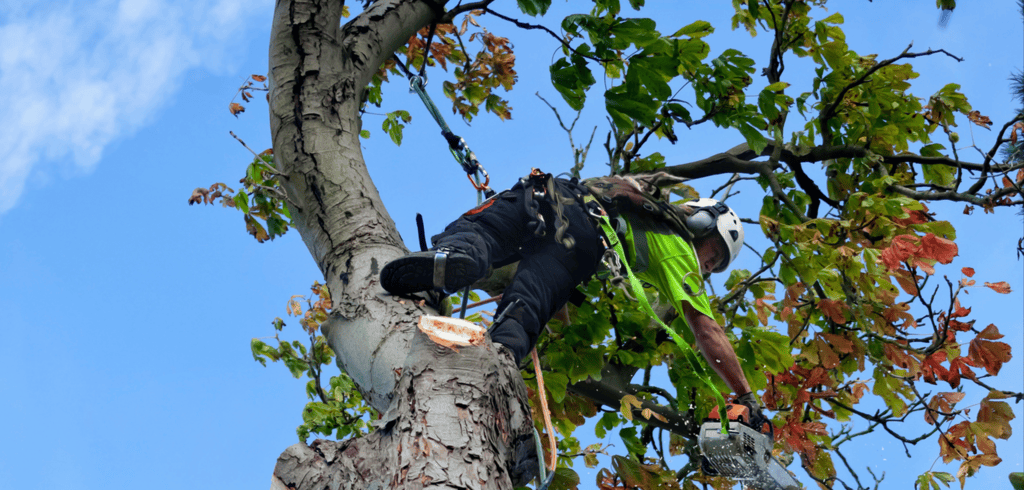
Crown reduction decreases the overall height and spread of a tree by cutting back the outer branches to a suitable growth point. It’s commonly used to reduce the size of a tree that has outgrown its space, relieve weight on structurally weak limbs, or reduce shading and light-blocking without removing the tree entirely.
- Reduces overall height and spread
- Eases weight and stress on weak or damaged limbs
- Reduces shading on gardens, windows or greenhouses
- Should be done gradually — removing too much in one go can stress the tree
What Is Crown Thinning?
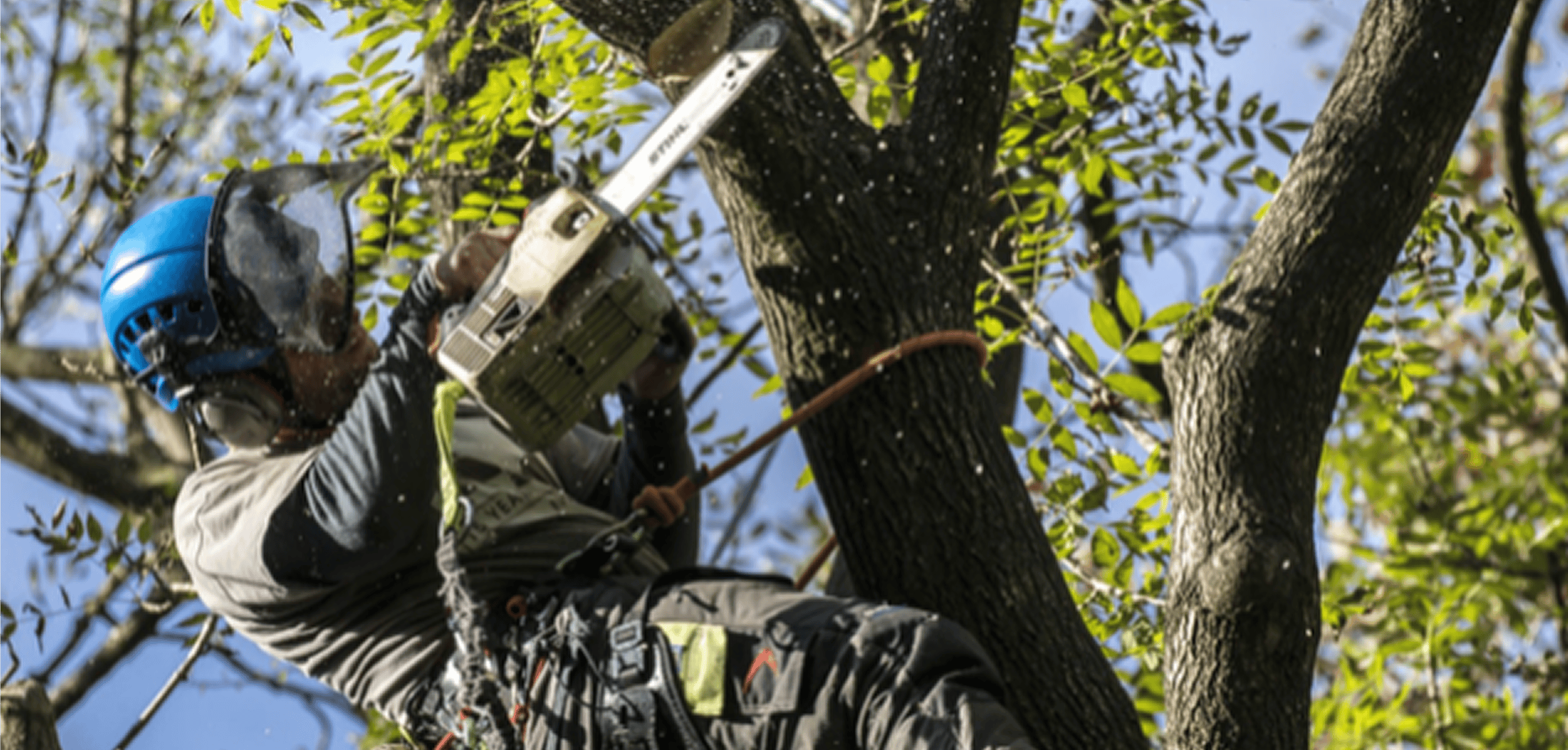
Crown thinning removes a proportion of smaller branches throughout the crown to let more light and air through, without changing the tree’s overall shape or size. It’s often used to reduce wind resistance in storm-prone gardens, or to let more light reach a lawn or planting bed underneath.
- Improves light penetration through the canopy
- Reduces wind resistance, lowering storm damage risk
- Does not significantly change the tree’s height or spread
- Helps maintain the tree’s natural shape and appearance
Deadwooding: Often Done Alongside Both
Deadwooding — the removal of dead, dying or diseased branches — is frequently carried out at the same time as crown reduction or thinning. It’s an important safety measure, since dead branches are more likely to fail and fall, particularly in windy conditions common across Sheffield’s hillier suburbs.
Which Technique Does Your Tree Need?
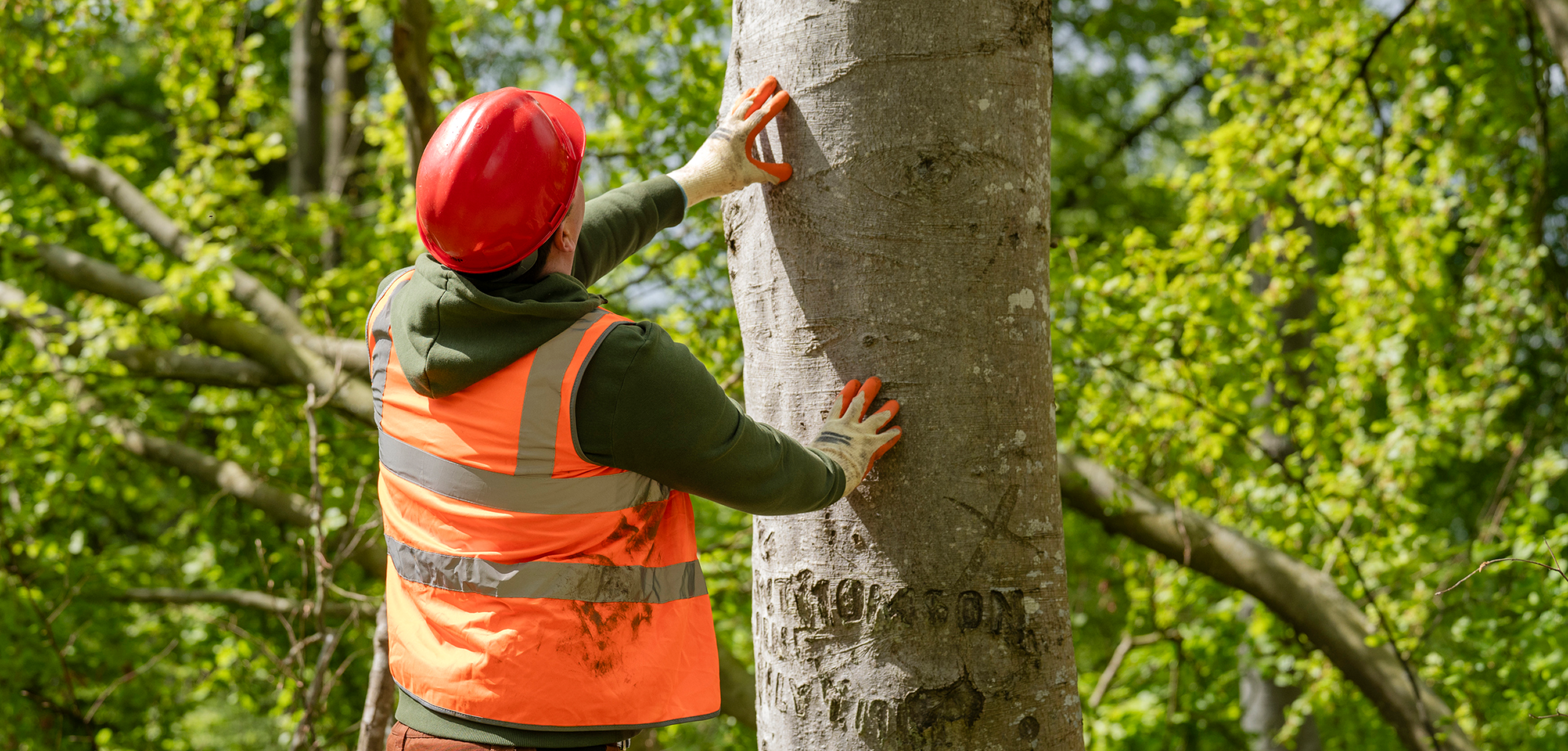
The right choice depends on the tree’s species, condition, location and what you’re trying to achieve. Our Tree Trimming & Pruning team assesses each tree on-site — including checking for any Tree Preservation Order — before recommending the safest, most effective approach for your specific garden.
How Often Is Crown Work Needed?
Most mature trees benefit from crown maintenance every 3-5 years, though fast-growing species or trees close to buildings may need more frequent attention. Regular, moderate maintenance is far better for tree health than infrequent, heavy cutting.
Frequently Asked Questions
Will crown reduction kill my tree?
Done correctly and gradually by a qualified arborist, crown reduction should not harm the tree. Over-reducing in a single session, however, can cause significant stress.
Is crown thinning better than crown reduction for storm damage risk?
Crown thinning is often the preferred approach for reducing wind resistance, since it doesn’t significantly change the tree’s shape while still easing pressure during storms.
How much crown work can be removed at once?
As a general guide, no more than around 25-30% of the live crown should be removed in a single session, to avoid stressing the tree.
Do I need permission for crown reduction in Sheffield?
If the tree is covered by a TPO or is in a conservation area, you will need council permission first. We can check this and handle the application on your behalf.
Get a Free Quote From Sheffield’s Trusted Tree Surgeons
Tree Service Sheffield offers fully insured, LANTRA/NPTC-certified tree surgery across Sheffield, Rotherham, Barnsley, Chesterfield, Worksop and South Yorkshire. Call our team today on 0114 697 3325 or request a free written quote online — no obligation, fast response.
Backlink & Off-Page SEO Opportunities for This Article
Once this post is live on the blog, use it to earn genuine external backlinks and local citations. Recommended outreach targets for this specific topic:
- Pitch to local landscape architects and garden designers as a linked technical resource for clients
- List on arboriculture and horticulture trade directories (Arboricultural Association ‘find a contractor’ referrals, where applicable)
- Share with Sheffield allotment associations and gardening clubs as an educational resource with a link back
- Offer as a guest-post topic to UK gardening magazines’ regional/local sections
- Add to Google Business Profile Q&A and posts to support local search visibility