A well-maintained hedge does more than look tidy — it boosts privacy, supports garden wildlife, and adds real kerb appeal to your property. But get the timing or technique wrong, and you can end up with bare patches, legal issues, or a hedge that never quite recovers. This guide covers everything Sheffield homeowners need to know about hedge trimming, from the best season to cut through to the rules protecting nesting birds.
Best Time of Year to Trim Hedges
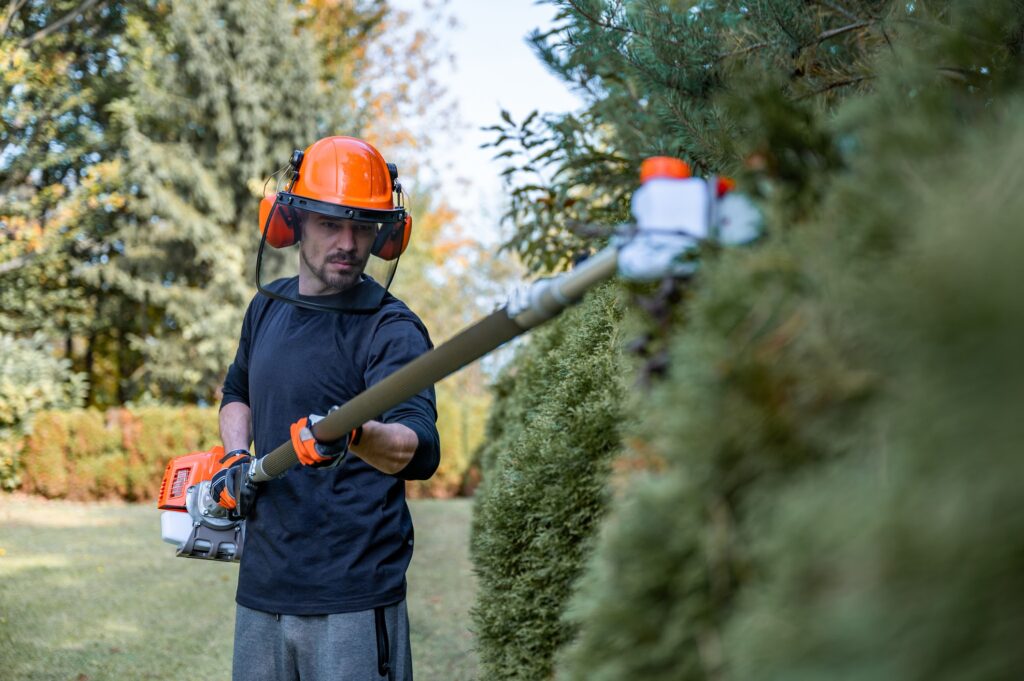
Most formal hedges — like privet, box and beech — benefit from at least two trims a year: one in late spring/early summer and another in early autumn, once the main growing season has slowed. Fast-growing conifer hedges such as leylandii may need trimming three or four times a year to stay under control.
- Formal hedges (privet, beech, hornbeam): trim late spring and early autumn
- Conifer hedges (leylandii, cypress): trim every 2-3 months through the growing season
- Flowering hedges: trim after flowering to avoid removing next year’s blooms
- Avoid cutting hard back into old wood on conifers — they often won’t regrow
Bird Nesting Season: What You Need to Know
Under UK wildlife law, it’s an offence to damage or destroy the active nest of a wild bird. As a rule of thumb, avoid heavy hedge cutting between March and August, when most garden birds are nesting. If a hedge urgently needs attention during this period, always check thoroughly for active nests first, or have a professional inspect it before work begins.
Overgrown or Neglected Hedges
If a hedge has been left unmanaged for a long time, cutting it back hard in one go can shock the plant and leave unsightly bare wood. Our Hedge Trimming & Shrub Care team takes a staged approach for overgrown hedges — reducing height and width gradually over one or two seasons so the hedge recovers with healthy, even growth rather than dying back.
Hedge Height, Boundary Disputes and Neighbours
Overgrown hedges are one of the most common causes of neighbour disputes in residential areas. Under the High Hedges legislation, councils can get involved if a hedge over 2 metres is blocking light or access unreasonably. Keeping hedges well maintained — and having a professional record of regular care — can help avoid disputes altogether.
Shrub Care Beyond the Hedge Line
Ornamental shrubs need a slightly different approach depending on whether they flower on old wood or new growth. Pruning at the wrong time can remove an entire season’s flowers. If you’re unsure what type of shrub you have, it’s worth getting a quick professional assessment rather than guessing.
Frequently Asked Questions
How often should hedges be trimmed?
Most formal hedges need trimming twice a year, while fast-growing conifer hedges may need attention every 8-12 weeks during the growing season.
Can I trim my hedge during nesting season?
It’s best to avoid heavy cutting between March and August. If work is essential, always check carefully for active nests first, or ask a professional to inspect the hedge before starting.
What should I do with an overgrown, neglected hedge?
Avoid cutting it back hard all at once. A staged reduction over one or two seasons gives the hedge the best chance of recovering with healthy, even growth.
Do you offer one-off hedge trims or ongoing maintenance?
We offer both one-off tidy-ups and scheduled seasonal maintenance visits, tailored to your hedge type and garden.
Get a Free Quote From Sheffield’s Trusted Tree Surgeons
Tree Service Sheffield offers fully insured, LANTRA/NPTC-certified tree surgery across Sheffield, Rotherham, Barnsley, Chesterfield, Worksop and South Yorkshire. Call our team today on 0114 697 3325 or request a free written quote online — no obligation, fast response.
Backlink & Off-Page SEO Opportunities for This Article
Once this post is live on the blog, use it to earn genuine external backlinks and local citations. Recommended outreach targets for this specific topic:
- Partner with local garden centres and landscaping suppliers in Sheffield for a linked resource-page mention
- Share the guide in local homeowner and gardening Facebook groups around nesting-season timing (a genuinely useful, non-promotional angle)
- Reach out to wildlife trusts or conservation-focused local blogs about responsible hedge cutting and nesting season
- List on Yell, Bark, Checkatrade and Thomson Local with a link to this seasonal guide
- Offer the article as a helpful link on local parish council or residents’ association websites covering garden maintenance advice