
Professional tree surgery services in Sheffield, maintaining safe and healthy trees across residential streets, parks, and estates.
Sheffield is one of the greenest cities in the UK, with an estimated two million trees and around 61% green space coverage. Known as “The Outdoor City,” Sheffield blends dense urban neighbourhoods with extensive woodland, parks and open countryside, including direct access to the Peak District National Park.
From the tree-lined streets of Ecclesall Road and Fulwood Road to the residential avenues of Hillsborough, Nether Edge, Walkley, Broomhill, Crookes, Dore, Totley and Woodseats mature trees form a defining part of Sheffield’s identity. Many of these trees were planted during Victorian and early 20th-century expansion and have now reached significant size and maturity.
We provide professional tree surgery services across Sheffield, supporting homeowners, landlords and property managers with safe, compliant and high-quality tree care. Sheffield uses the S postcode (prefix) area, primarily covering S1 through S14, S17, S20, S21, S25, S26, and S35/S36…….we service them all!

Sheffield’s landscape is shaped by its unique topography. Built across seven hills and intersected by five rivers—including the Don, Sheaf, Porter, Rivelin and Loxley—the city supports a wide variety of tree species and growing conditions.
Key green corridors and woodland areas include:
These spaces influence surrounding residential areas, where mature trees often extend from public land into private gardens, creating continuous canopy coverage. Neighbourhoods such as Ranmoor, Crosspool, Broomhill, Nether Green and Dore are particularly known for large gardens and established trees, while areas like Crookes, Walkley and Meersbrook feature a mix of mature specimens and smaller ornamental planting.
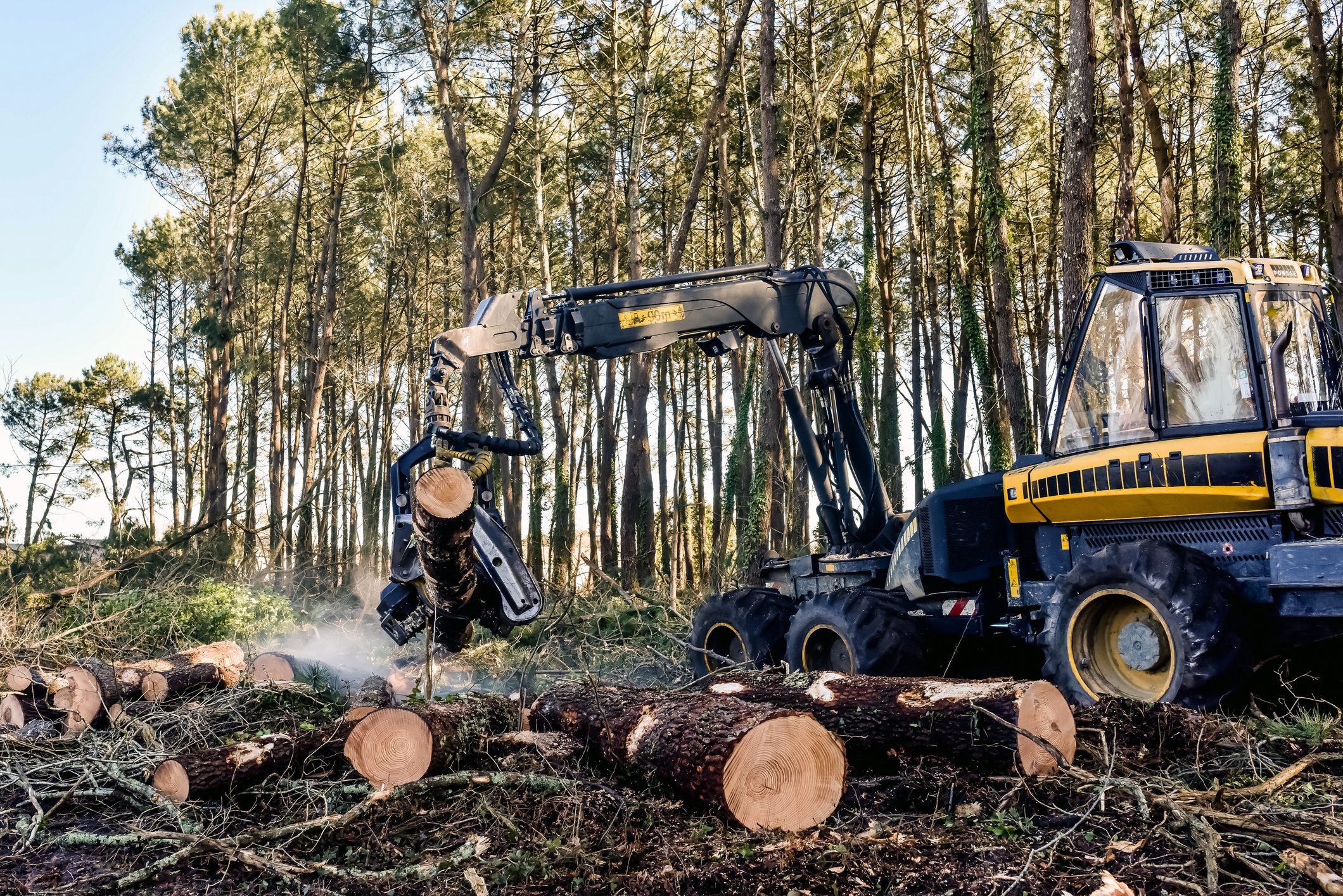
We offer a comprehensive range of arboricultural services across all Sheffield postcodes (S1–S36), tailored to both urban and suburban environments. Aerial platform tree surgery uses Mobile Elavating Work Platforms (MEWP), such as spider lifts (tracked lifts), towable cherry pickers or bucket trucks to safely access high branches, remove deadwood, or dismantle tree in confined spaces. Offering heights up to 90ft, these mechanised devices improve safety for worker and minimise damage to surrounding properties.
Common in areas such as Fulwood, Ranmoor and Dore, where large trees can outgrow their surroundings. We reduce canopy size while maintaining a natural, balanced shape.
Particularly useful in shaded gardens near woodland edges like Ecclesall Woods or the Porter Valley, allowing more light and airflow.
Crown lifting is the arboricultural process of removing lower branches to increase the height of the crown’s base from the ground. Used to improve access, enhance visibility, and increase light, this pruning method typically targets branches that obsruct pedestrians, vehicles, or block light from buildings.
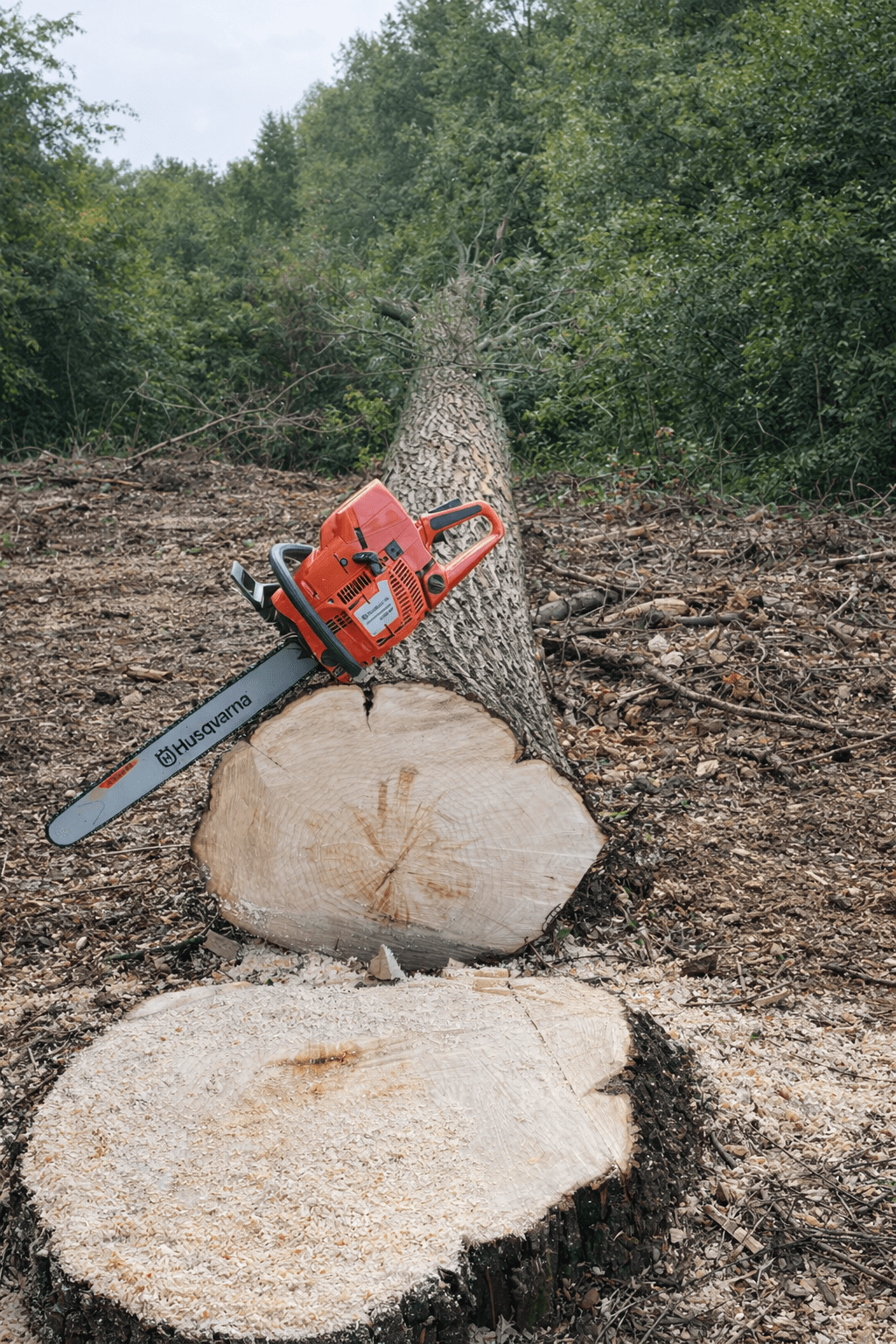
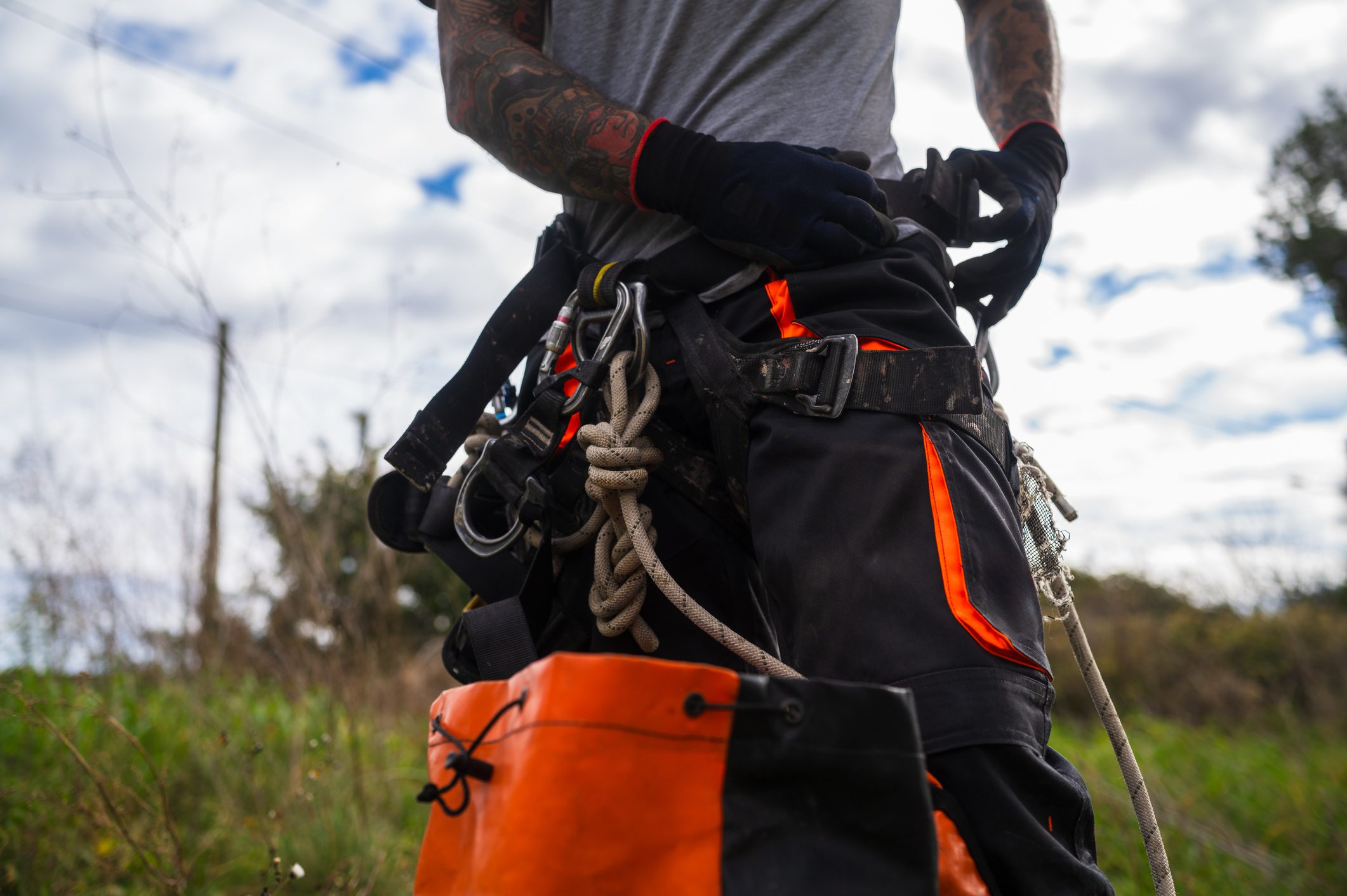
Where trees become unsafe, diseased or unsuitable for their location, we carry out sectional dismantling using ropes and rigging—ideal for tight access gardens in terraced areas like Crookes or Walkley.
We remove dead, damaged or crossing branches to improve structure and reduce risk. This is especially important for mature street-facing trees along roads such as Abbeydale Road, Psalter Lane and Ecclesall Road.
Severe pruning technique often used for lime trees and roadside species across Sheffield, helping to control size and maintain uniform growth.
Many Sheffield properties feature boundary hedges, including conifers, privet and laurel. Regular trimming ensures they remain manageable and neighbour-friendly.
After tree removal, we grind stumps below ground level, allowing for replanting or landscaping.
We carry out professional assessments to identify disease, decay and structural issues, particularly important for trees close to buildings or public footpaths. Where appropriate, we can also carry out Quantified Tree Risk Assessments (QTRA). QTRA is a recognised methodology used in arboriculture to assess the likelihood of tree failure and the potential risk to people or property. By expressing risk in measurable terms, QTRA help landowners and organisations make informed, proportionate, and defensible tree management decisions.
Sheffield’s varied landscape supports a diverse mix of native and ornamental trees. Species commonly encountered include:
Ash trees are also widespread throughout Sheffield, particularly along woodland edges and older properties.
Due to Sheffield’s dense tree population and moist climate, certain diseases are commonly encountered:
This is the most significant current threat to trees across Sheffield. It is widespread in areas such as Rivelin Valley, Ecclesall Woods and the western suburbs. Infected trees can become structurally unsafe and may require pruning or removal.
A soil-borne fungus that affects a wide range of species, particularly in established gardens.
Seen in parks and older landscapes, weakening affected trees over time.
More likely in poorly drained soils, particularly in lower-lying areas near rivers.
Increasingly common during hot summers, especially affecting shallow-rooted species like birch.
Early identification and professional management are essential to prevent long-term damage or safety risks.
Sheffield’s soils vary significantly depending on location:
These variations influence tree growth and root behaviour. In clay-heavy areas, roots may remain closer to the surface, sometimes affecting paving, driveways and foundations.
Regular maintenance helps manage these risks effectively.
Sheffield’s elevation and proximity to the Pennines mean the city experiences varied weather conditions. Western areas such as Stannington, Lodge Moor and Ringinglow are particularly exposed to strong winds.
Common storm-related issues include:
We provide emergency tree services across Sheffield, responding quickly to make trees safe following severe weather.
Many trees across Sheffield are legally protected due to their environmental and visual importance.
Tree work is regulated by Sheffield City Council, and may involve:
If a tree is protected, permission must be obtained before carrying out pruning or removal work.
We assist clients by:
Across our work in Sheffield, we frequently encounter the following issues:
Trees planted decades ago often exceed expected size, particularly in suburbs like Dore, Fulwood and Ecclesall.
Roots can lift paving, patios and driveways, especially in clay soils.
Branches extending over neighbouring properties or public highways require careful management.
Ash dieback and fungal infections are increasingly common across the city.
Dense canopies can reduce natural light in gardens and homes, particularly in closely built areas.
Crown Reduction – Ecclesall Road South
A mature oak tree was reduced to improve light levels and prevent encroachment over a property roof.
Tree Removal – Hillsborough
A storm-damaged sycamore was safely dismantled in a restricted garden with limited access.
Hedge Reduction – Dore
A large conifer hedge was reduced and reshaped to restore light and improve boundary definition.
With its high tree density and varied landscape, Sheffield requires proactive tree management. Regular maintenance helps to:

Mark R, Ecclesall Road South (S11)
“Our garden had been heavily shaded by a large tree for years. The team carried out a precise crown reduction which made a huge difference to the light coming into the house and garden. Everything was left spotless afterwards—professional, efficient and easy to deal with.”
Sarah L, Crookes (S10)
“After strong winds one of our trees became unsafe and was leaning towards the fence line. The arborists arrived quickly, made the tree safe and explained everything clearly. Really reassuring service from start to finish.”
David H, Hillsborough (S6)
“We had an overgrown tree close to the house that needed attention. The work was carried out carefully with great attention to detail, and the team made sure everything was tidy before leaving. Would definitely recommend to anyone in Sheffield.”
Emma T, Dore (S17)
“Our conifer hedge had become far too tall and was blocking light from the garden. The reduction was done neatly and has completely improved the space. Very knowledgeable and friendly team.”
Trees are central to Sheffield’s identity, connecting urban neighbourhoods with surrounding woodland and countryside. With proper care, they continue to provide environmental, aesthetic and practical benefits for years to come.
Whether you are based in Fulwood, Crookes, Hillsborough, Nether Edge, Dore or the city centre, we provide reliable and professional tree surgery services tailored to your property and offering:
If you need expert advice or assistance with tree work in Sheffield, our experienced arborists are ready to help.
The cost depends on factors such as tree size, access and the type of work required. Smaller pruning tasks may take only a few hours, while larger removals can involve additional equipment and time.
Yes. Regular pruning and inspections can reduce the risk of branches falling onto buildings and help manage root growth around driveways or garden structures.
Many mature trees benefit from inspection every few years. Trees located close to buildings or public paths may require more frequent monitoring.
Whether you need tree removal, trimming, stump grinding, hedge maintenance, or urgent storm assistance, we’re here to help.