Trees are a defining feature of Sheffield’s landscape. From Hillsborough and Nether Edge to Endcliffe Park and the Peak District fringes, mature trees enhance property value, biodiversity, and kerb appeal.
However, when a tree becomes unstable, diseased, or storm-damaged, it can quickly turn into a serious hazard.
Knowing when to call emergency tree services in Sheffield is critical for homeowners, landlords, businesses, and even local tree surgeons managing urgent call-outs.
This guide explains:
- What qualifies as a tree emergency
- Common high-risk situations
- Warning signs of tree failure
- What to do during an emergency
- How professional arborists handle dangerous trees safely
What Is Considered a Tree Emergency?
A tree emergency occurs when a tree poses an immediate danger to people, property, vehicles, or access routes.
Below are the most common emergency situations in Sheffield.
1. Fallen or Unstable Trees
Trees that have fallen onto:
- Houses
- Garages
- Vehicles
- Roads
- Driveways
require urgent removal.
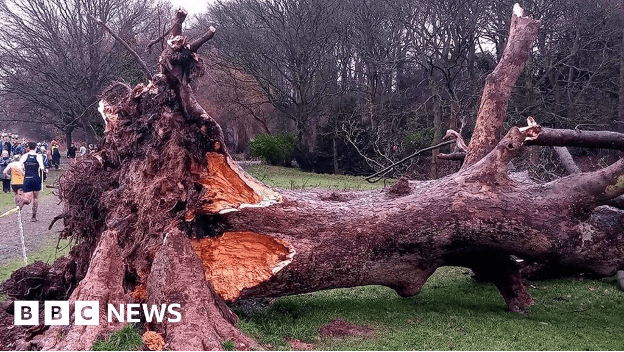
Partially fallen or heavily leaning trees are especially dangerous. They may collapse without warning.
Areas exposed to strong winds, such as Stocksbridge, Bradfield, and Ecclesfield, are more prone to storm-related tree failure.
2. Storm-Damaged Trees
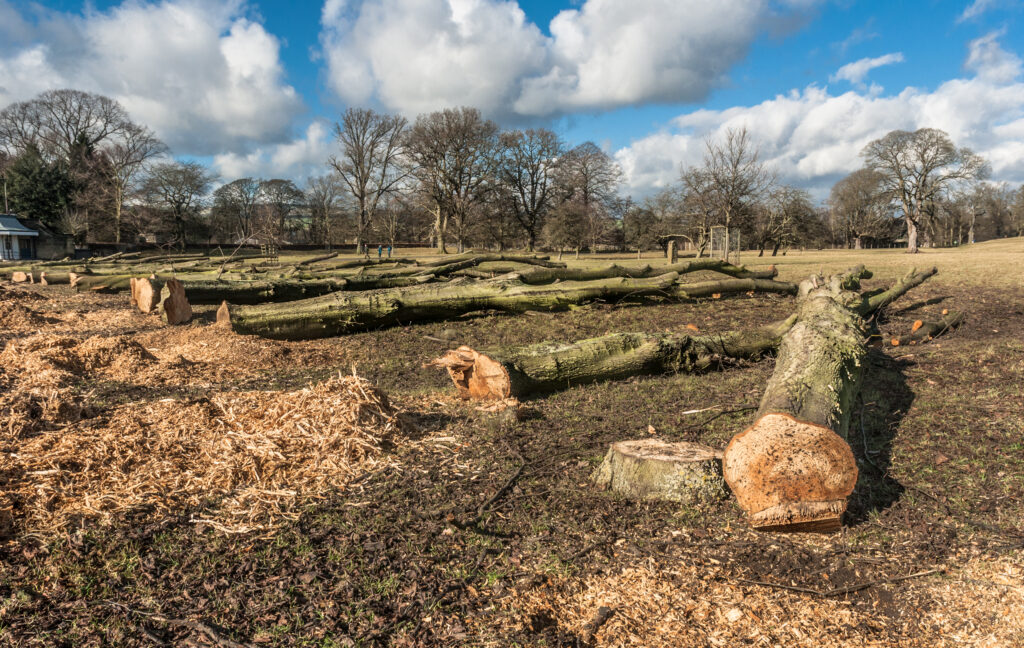
Sheffield’s weather can change quickly. High winds, snow, ice, and heavy rainfall increase tree stress.
Signs of storm damage include:
- Split trunks
- Large broken branches
- Uprooted root plates
- Sudden leaning
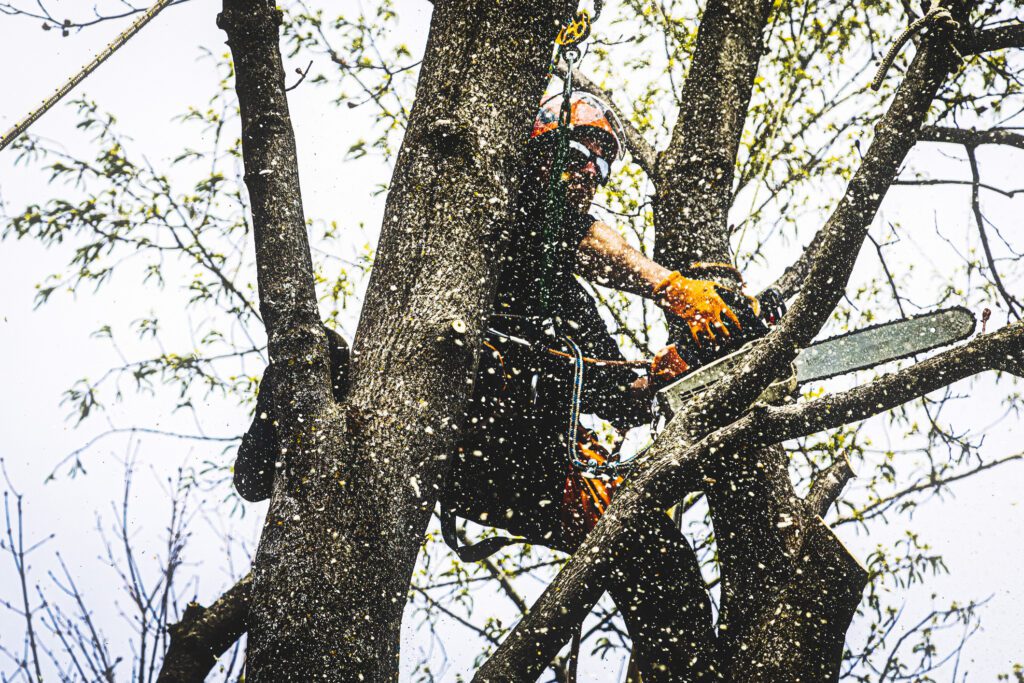
Attempting DIY removal is extremely dangerous. Emergency tree surgeons use specialist equipment and safety procedures.
3. Trees Affecting Power Lines
Trees touching electricity lines are one of the most dangerous hazards.
Never approach or attempt removal.
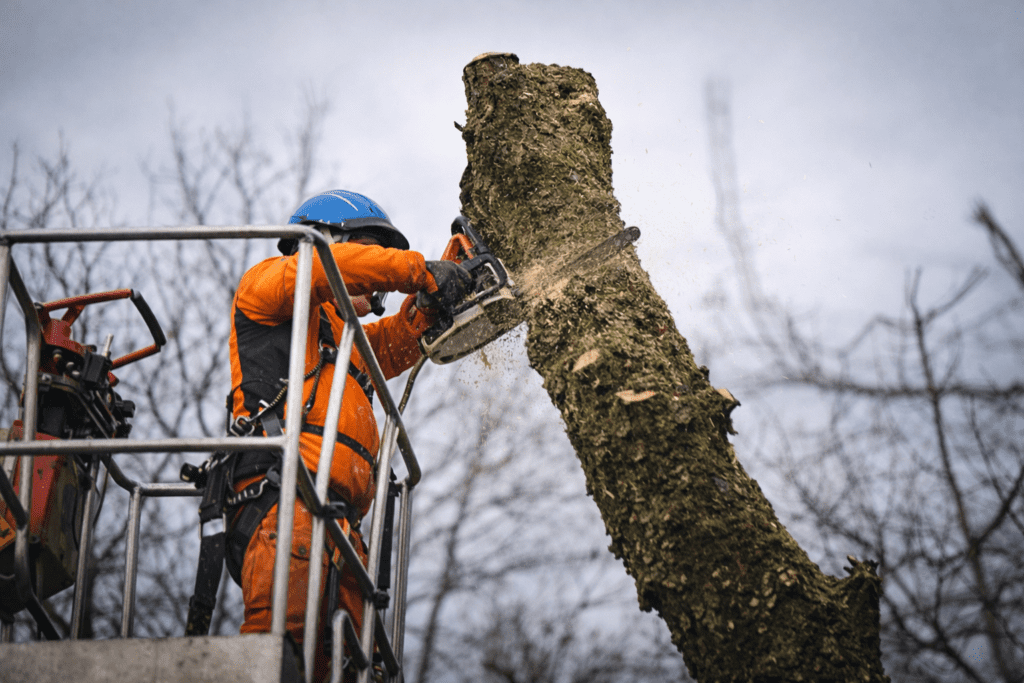
Emergency tree specialists coordinate with utility providers and follow UK safety regulations outlined by the Health and Safety Executive (https://www.hse.gov.uk/).
4. Blocked Roads and Access Routes
Trees blocking:
- Public highways
- Driveways
- Footpaths
- Emergency service access
require rapid clearance.
Older areas like Crookes, Chapeltown, and Stannington often experience access issues after severe storms.
5. Signs of Imminent Tree Failure
Some trees show warning signs before collapse:
- Severe leaning
- Deep trunk cracks
- Root uplift
- Sudden canopy movement
- Hollow or decayed stems
If you notice these signs, call a qualified arborist immediately.
Why Professional Emergency Tree Services Matter
Emergency tree work is high-risk and unpredictable.
Certified arborists and tree surgeons in Sheffield:
- Assess structural stability
- Use safe sectional dismantling techniques
- Operate cranes and rigging systems
- Work in confined residential areas
- Carry full insurance
Professional standards are guided by organisations such as the Arboricultural Association (https://www.trees.org.uk/) and the International Society of Arboriculture (https://www.isa-arbor.com/).
Attempting unqualified removal can lead to:
- Serious injury
- Legal liability
- Further structural damage
What To Do During a Tree Emergency
1. Prioritise Safety
Keep people, pets, and vehicles away.
Do not attempt to move heavy branches or cut timber.
Avoid all trees near power lines.
2. Contact Emergency Tree Specialists
Call a professional 24/7 emergency tree service in Sheffield immediately.
Rapid response teams can stabilise or remove hazards safely.
3. Document the Damage
Take photographs from a safe distance.
This supports insurance claims and assessments.
For insurance and planning matters, guidance may be found via the UK Planning Portal (https://www.planningportal.co.uk/).
4. Notify Relevant Authorities
If public roads or pavements are affected, contact Sheffield City Council (https://www.sheffield.gov.uk/).
Common Causes of Tree Emergencies in Sheffield
Extreme Weather
Storms and strong winds from the Pennines and Peak District frequently cause:
- Branch breakage
- Uprooting
- Structural splitting
Areas like Bradfield and Stocksbridge experience regular wind exposure.
Hidden Disease and Decay
Internal rot or fungal infections weaken tree structure.
Diseases such as bleeding canker or root rot can lead to sudden failure.
Routine arborist inspections help detect early warning signs.
Root Damage
Construction work and soil compaction reduce tree stability.
Suburbs undergoing development, including Hillsborough and Nether Edge, may see increased risk.
Age-Related Decline
Older trees develop brittle wood and hollow trunks.
Historic trees in Ecclesfield and parkland areas require ongoing professional monitoring.
Poor Past Pruning
Incorrect pruning can cause weak regrowth and structural defects.
Always use certified tree surgeons for crown reduction and structural pruning.
How Emergency Tree Services Operate
Professional emergency teams follow strict procedures:
- Rapid on-site risk assessment
- Area safety control and barriers
- Sectional dismantling or crane-assisted removal
- Debris clearance
- Site stabilisation
This ensures minimal disruption and maximum safety.
Urgent but Non-Emergency Situations
Not every issue is an emergency.
However, prompt attention is recommended for:
- Overhanging limbs near roads
- Cracked branches
- Trees reducing visibility
- Gradual leaning
Scheduling tree pruning or crown reduction early prevents costly emergency call-outs.
Insurance and Emergency Tree Work
Many UK property insurance policies cover emergency tree removal when:
- Buildings are damaged
- Access is blocked
- Safety is compromised
To support claims:
- Keep photographic evidence
- Obtain written reports
- Use certified professionals
Proper documentation ensures smoother reimbursement.
24/7 Emergency Tree Services in Sheffield
Tree emergencies do not wait for business hours.
Qualified emergency arborists operate 24/7 across:
- Hillsborough
- Nether Edge
- Crookes
- Ecclesfield
- Chapeltown
- Dronfield
- Stocksbridge
- Bradfield
Rapid response reduces risk and protects property.
Key Takeaways
- A tree emergency exists when safety is threatened.
- Fallen, storm-damaged, or leaning trees require urgent intervention.
- Trees touching power lines must never be approached.
- Professional emergency arborists are trained and insured.
- Preventative tree care reduces emergency risk.
- Early action protects life and property.
Conclusion
Emergency tree situations in Sheffield demand fast and professional response.
From storm damage in Stocksbridge and Bradfield to blocked access routes in Hillsborough or Crookes, acting quickly prevents injury and further damage.
Professional emergency tree services provide:
- 24/7 rapid response
- Risk-managed removal
- Specialist storm damage expertise
- Insurance support documentation
Engaging certified arborists and tree surgeons ensures your property, safety, and Sheffield’s valuable tree population are protected.